

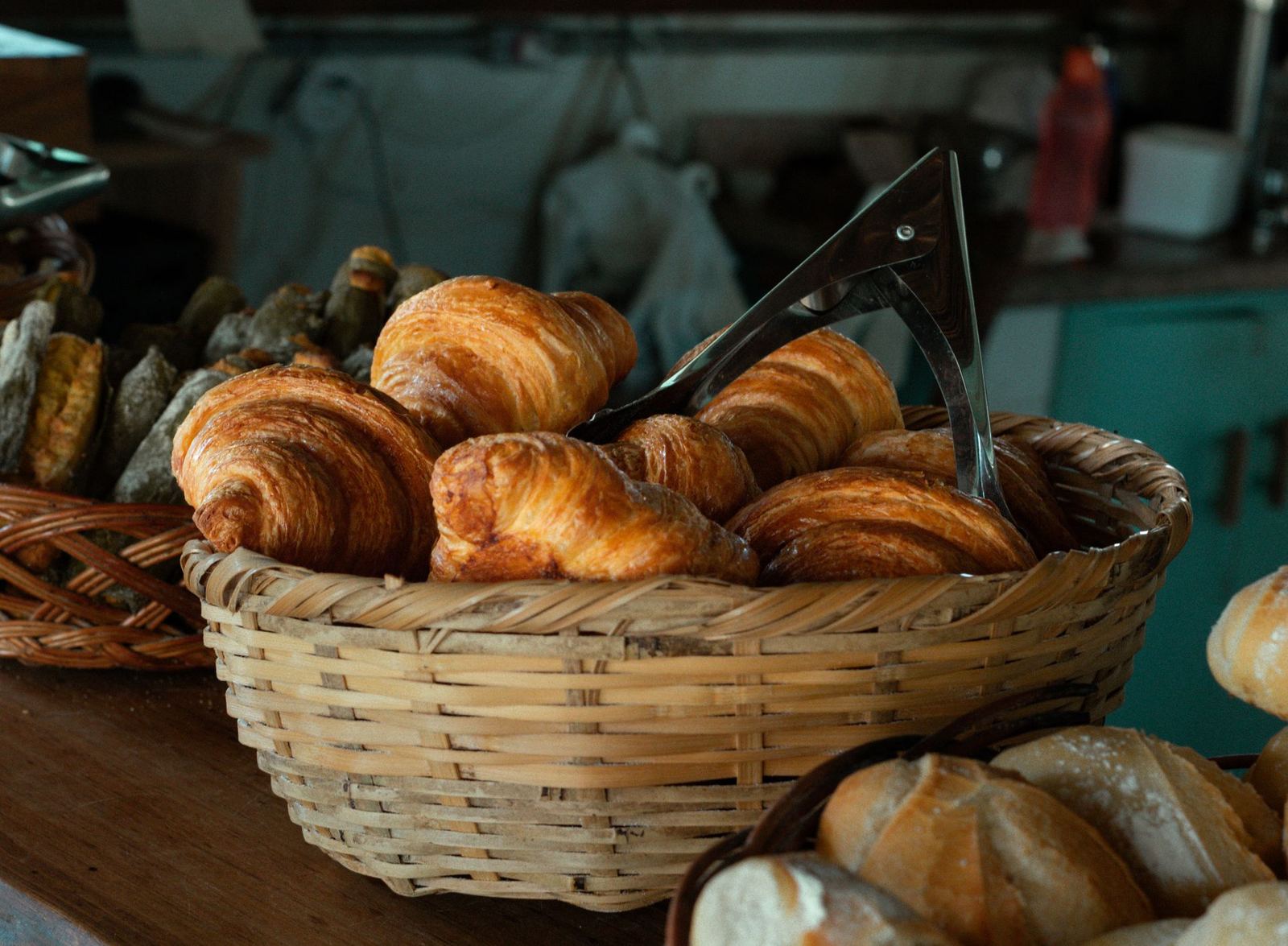
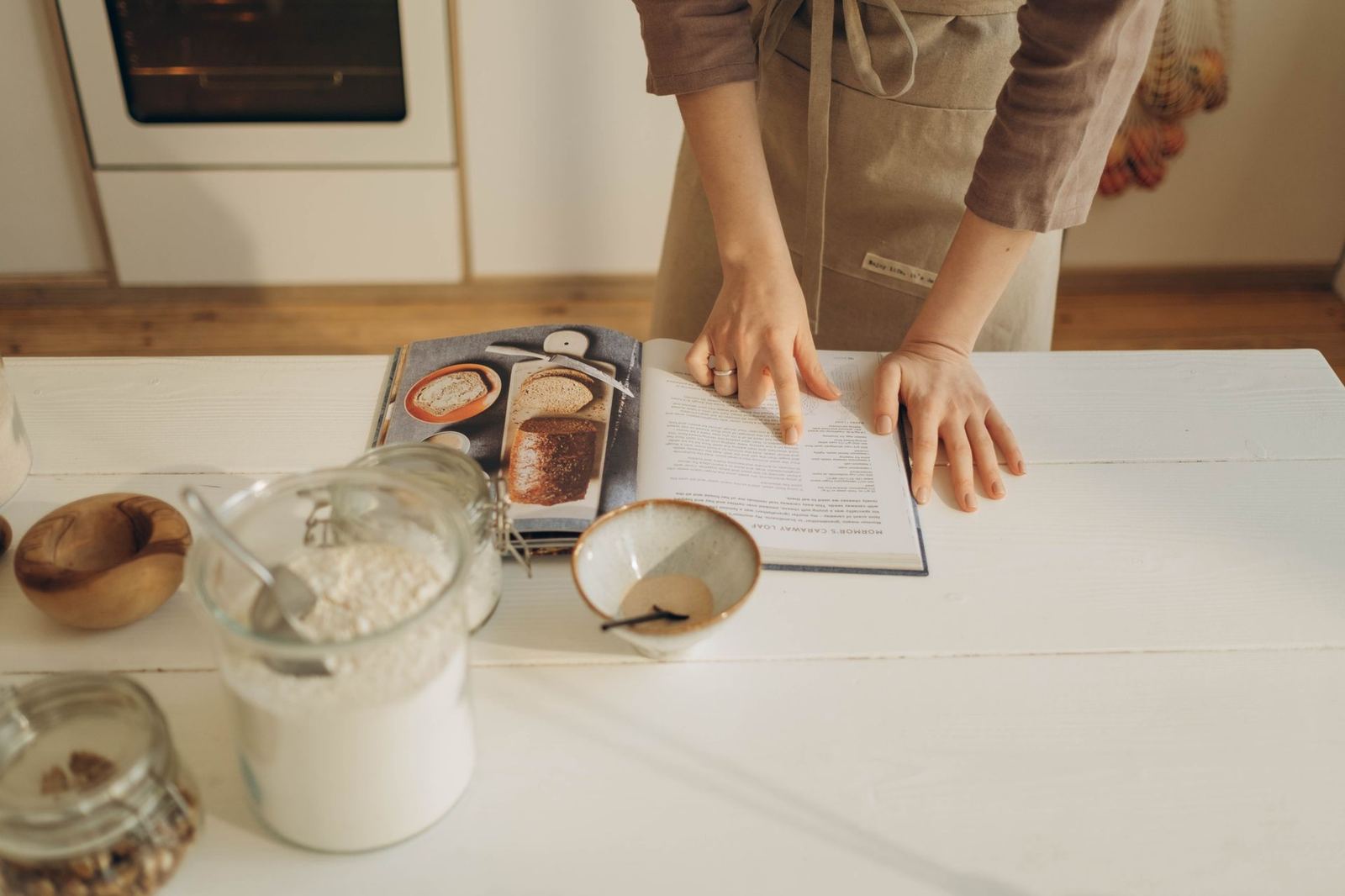
A living culture, an 18-hour rest and baking in a cast-iron pot.
Sourdough is the side of bread that has to do with the science of fermentation rather than marketing. The yeasts and lactic acid bacteria naturally present in flour form a living culture together and slowly leaven the dough. The result is a thick crust, a gently sour taste and bread that stays fresh for days.
What is a starter and how is it fed?
A sourdough starter is a living culture made by mixing equal weights of flour and water and feeding it daily for 5–7 days. A room temperature of 24–26 °C is good. The starter may smell in the first days; this is normal and after day five it turns into a sweet, slightly sour smell.
Seven tips for starting at home
- Use chlorine-free water; let tap water stand overnight.
- Start with whole-wheat or rye flour, as it carries more natural yeast.
- Feed the jar at the same time each day.
- Mark the rise line of the starter with tape.
- When dropped in water, the starter floats if it is ready.
- Rest the dough in the fridge for 12–18 hours; flavour depth comes from here.
- Bake in a lidded cast-iron pot; steam makes the crust crisp.
Why is it said to be healthier?
Long fermentation partly breaks down the gluten and phytic acid in the flour, which may make the bread easier to digest. However sourdough bread is not safe for people with coeliac disease and contains gluten.
Our approach
At Hamurkâr bread doughs rest 18 hours in the cold. Our starter dates back to 2008; it is fed every evening and the culture is kept as backup in two separate jars. If you join our sourdough starter workshop you can take home your own live culture jar.
Frequently asked questions
What happens if the starter dies? It very rarely dies completely; if the smell has sharpened and liquid (hooch) has collected on top, you can pour off the liquid and revive it with two feedings in a row. If you see mould you must throw the culture away.
What should I do on holiday? Keep the starter in the fridge and feed it once a week. For a longer break you can dry the starter in a thin layer.
Can I give a starter as a gift? Of course. A starter is a culture of sharing handed from generation to generation; a small jar with feeding instructions is a very meaningful gift.
A note from our kitchen
At Hamurkâr dough is developed by folding rather than kneading; no kneading machine is used. Giving the dough time to build its own structure creates the wide, irregular holes and silky texture in the crumb. This patient method can be applied at home too.